
Societal impact
Scientific progress doesn't happen in isolation. We can only learn and advance when we engage in meaningful conversation with the broader community—sharing knowledge, exchanging ideas, and working together to make a difference. As scientists, we don't spend all of our time in the lab, or talking to other scientists. We believe mentoring young or aspiring researchers, collaborating with schools and students, with policymakers or patient communities is all part of our job, and helps us to make our science accessible, relevant, and inclusive.
That is why we engage in educational and outreach-projects, as well as patient-centered research, to enable a dialogue between the lab and the communities we aim to serve.
Learning from each other
We actively engage with students and educators, not just to teach but also to learn—understanding their perspectives, answering their questions, and inspiring the next generation of scientists.
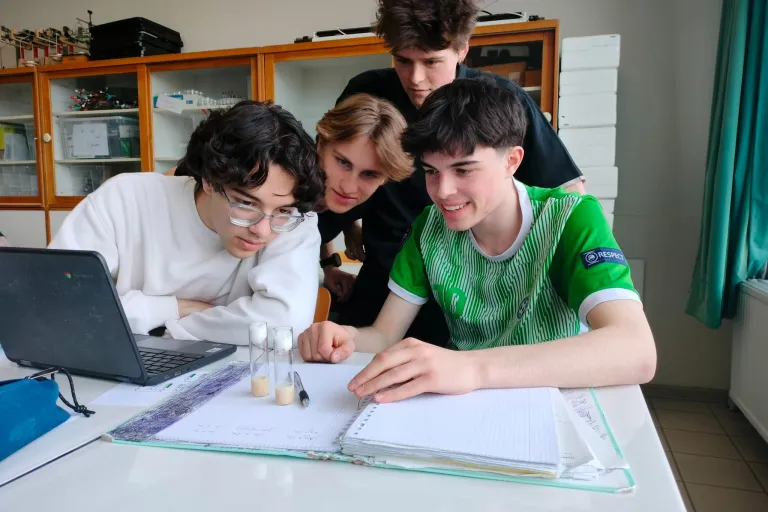
Encounters for a day
For the second year in a row, we are visiting a nearby school to talk about genetic research and do some hands-on genetic experiments together with the students. It's always a very engaging day, sparking lots of curiosity.
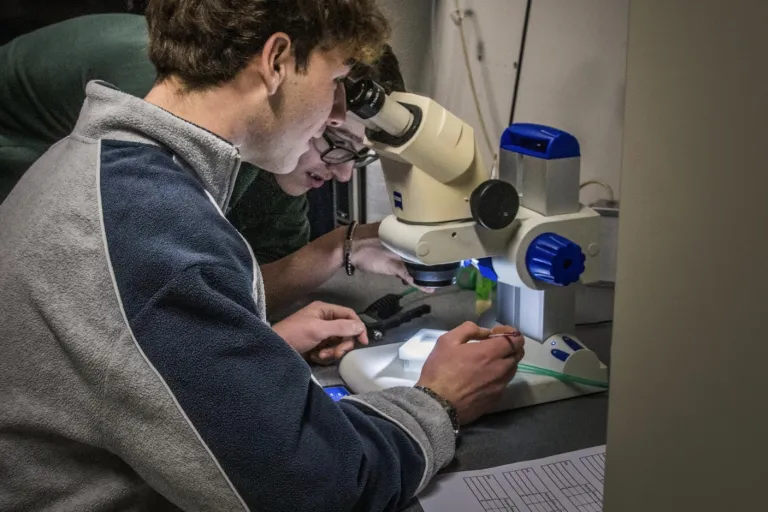
Campus visits
Students visit our lab to explore research in action, ask questions, and receive guidance on careers in science. Matilde Malcorps also organizes a workshop on how we use fruitlfies as a model organism in our research.

Mentorship across the globe
Beyond Belgium, we support students internationally—mentoring young scientists and helping them navigate academic and research careers. Ayse Candayan Niron has shared her career story with school children in Turkey, inspiring them to pursue goals that may seem out of reach.
Patient-centered research
Scientific breakthroughs are most meaningful when they directly improve people’s lives. We work closely with patients and their families, ensuring they are not just subjects of research but active contributors to it.

The roots of rare diseases
Many families with rare genetic disorders spend years searching for answers. Our research helps end this diagnostic journey for some, identifying genetic causes that open doors to new treatments.

With and for patients
Patients are essential partners in our work. Through biobanking and genetic studies, we invite individuals to contribute samples that help drive discoveries, ensuring that their involvement has a real impact on future treatments.

Patient stories
We want to give the patients behind our scientific papers a voice. Check back soon to explore their story.
Moving forward together
We don’t just communicate with the public, we work alongside them, finding new ways to make science more inclusive, accessible, and impactful.

Co-creating tools with students
Instead of simply buying lab supplies, we collaborate with technical schools, challenging students to design and build equipment we need. This partnership provides hands-on experience for students and demonstrates the value of their skills in scientific research.

Engaging underrepresented communities
Our lab hosts the largest database of controlled Roma genetic data, a valuable resource for understanding genetic diversity. We engage directly with these communities to ensure ethical research practices and to give back through medical screening and genetic counseling initiatives.
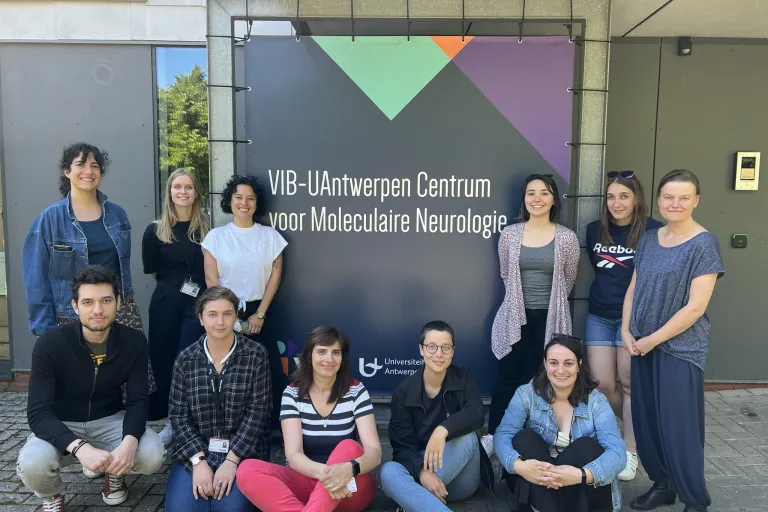
Embracing diversity in science
Our research is as diverse as our team. We study multiple genetic models—fruit flies, yeast, human cells, and patient samples—allowing us to approach scientific questions from different angles. We also celebrate the diversity of our researchers, whose backgrounds and perspectives enrich our work.
Science is most powerful when it is open, inclusive, and collaborative. Whether you’re a student, educator, patient, or fellow researcher, we invite you to engage with us—ask questions, share insights, and explore opportunities to collaborate.
Get involved
If you’d like to learn more, contribute to research, or feature our initiatives, get in touch!