
Our Research
We investigate the genetic and molecular causes of inherited neuromuscular disorders, such as motor and sensory peripheral neuropathies and spastic paraplegias.
Our research is driven by a diverse, multi-model strategy that integrates studies in unique patient populations with advanced experimental systems, including Drosophila (fruit flies), yeast, human cells, and patient-derived samples. This diversity allows us to dissect disease mechanisms from multiple angles, moving seamlessly from gene discovery to functional validation and potential therapeutic development.
Rather than limiting ourselves to a single approach, we leverage the strengths of different biological models:

Patient populations
We try to identify novel disease-causing genes through family- and population-based genetic analyses.
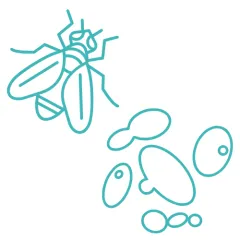
Drosophila and yeast models
We develop in vivo systems to study neurodegenerative processes and test hypotheses about disease mechanisms.

Human cellular models
Using patient-derived cells and induced pluripotent stem cells (iPSCs) to explore how genetic mutations impact human neurons.
Key research areas

Genetic discoveries in peripheral neuropathies and spastic paraplegias
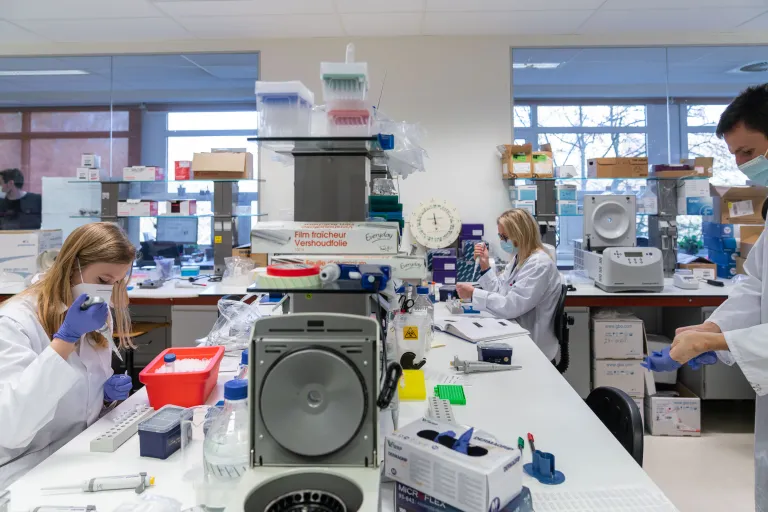
Peripheral neuropathies, including Charcot-Marie-Tooth disease (CMT), and hereditary spastic paraplegias (HSP) are rare but severe disorders that currently lack effective treatments. By analyzing large collections of nuclear families, where consanguinity or ethnic/geographic origin facilitates gene discovery, we identify novel causative genes and unravel regulatory networks contributing to disease pathology.
Peripheral neuropathies and spastic paraplegias
Neurogenetics in the Roma/Gypsy Population
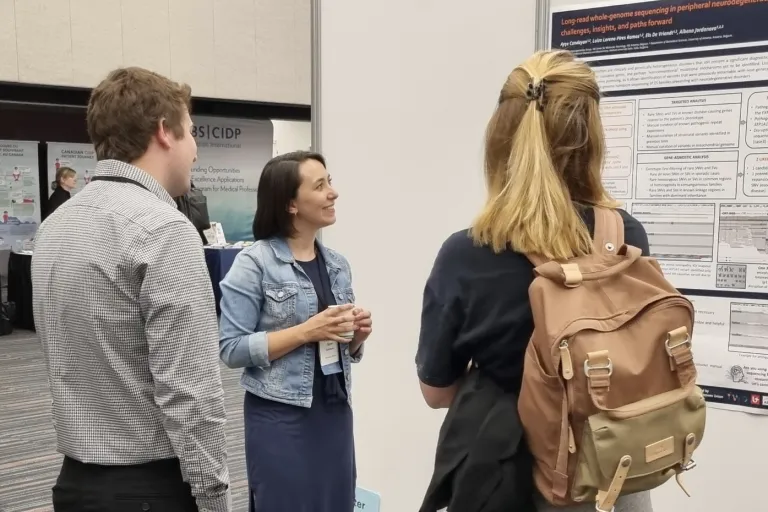
The Roma population, often referred to as “the invisible minority,” represents the largest transnational genetic and socio-cultural isolate in Europe. Our studies on this unique genetic heritage enable us to:
- Identify novel disease entities and genotype-phenotype correlations.
- Investigate genetically homogeneous groups to uncover disease mechanisms.
- Map complex neurological disorders using next-generation sequencing and bioinformatics.
To validate our genetic discoveries, we employ a wide range of cellular and animal models to confirm causality and study disease progression.
tRNA synthetases and their role in neurodegeneration
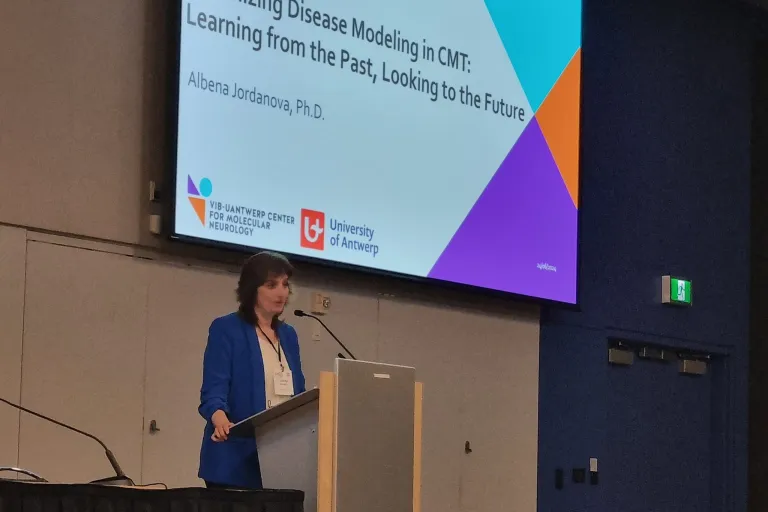
Our research has played a pivotal role in establishing aminoacyl-tRNA synthetases as key players in neurodegenerative disorders. We were the first to identify mutations in tyrosyl-tRNA synthetase (TyrRS/YARS) as a cause of Dominant Intermediate CMT (DI-CMTC). Despite their essential role in protein synthesis, mutations in these enzymes selectively affect peripheral nerves, a phenomenon we investigate using:
- Drosophila models to test functional hypotheses and disease mechanisms.
- Yeast and mammalian cell models to study protein interactions and metabolic effects.
HINT1-associated neuropathies
We discovered that mutations in HINT1 cause autosomal recessive CMT associated with neuromyotonia, significantly contributing to CMT morbidity. While the molecular consequences of HINT1 loss remain largely unexplored, we use:
- Yeast and human cell models to dissect HINT1 function and its role in neuropathy.
- Chemical screening platforms to identify compounds that could correct HINT1 deficiencies, laying the groundwork for future therapies.
From discovery to application
What sets our research apart is its translational potential. Identifying a disease-linked gene is just the beginning. We aim to understand the biological consequences of mutations and develop strategies for intervention. By combining genetic studies with advanced model systems, we aim to bridge the gap between fundamental research and clinical application, offering new hope for patients with rare neuromuscular disorders.
Our work is made possible through collaborations with clinicians, patient communities, and scientists across disciplines. We welcome partnerships that help translate genetic discoveries into meaningful medical advances.